
2026-09-30
How long should a gel pack sit in fabric? 15–20 min safety frame
A gel pack on bare skin can cause cold injury. A simple frame is 15–20 minutes with fabric in between, then a break. Pain, numbness or pale skin means stop.
Why fabric must always sit in between
Gel packs from the freezer are colder than skin tolerates on direct contact. Fabric spreads the cold and lowers the risk of superficial cold injury. It is the same principle as sports icing: never ice on bare skin.
Thin cotton or the fabric already in a garment is often enough. Double up if the pack is rock-hard from the freezer. Let it rest a minute at room temperature before placing it.
The goal is local cool, not freezing tissue. Sharp stinging means you already went too far.
The 15–20 minute frame
For healthy adult skin, 15–20 minutes is a common upper limit per round. Shorter is always fine. Longer rarely adds benefit and raises risk.
Then remove the pack and let the skin return to normal temperature before any later round the same day.
Never fall asleep with a cold pack in place. Your phone timer helps.
Signs you should stop immediately
- Sharp pain or a burning feel.
- Numbness that does not fade after removal.
- Skin that turns white, blotchy or deeply red and tender.
- Tingling that feels wrong compared with ordinary cold.
Placement and daily use
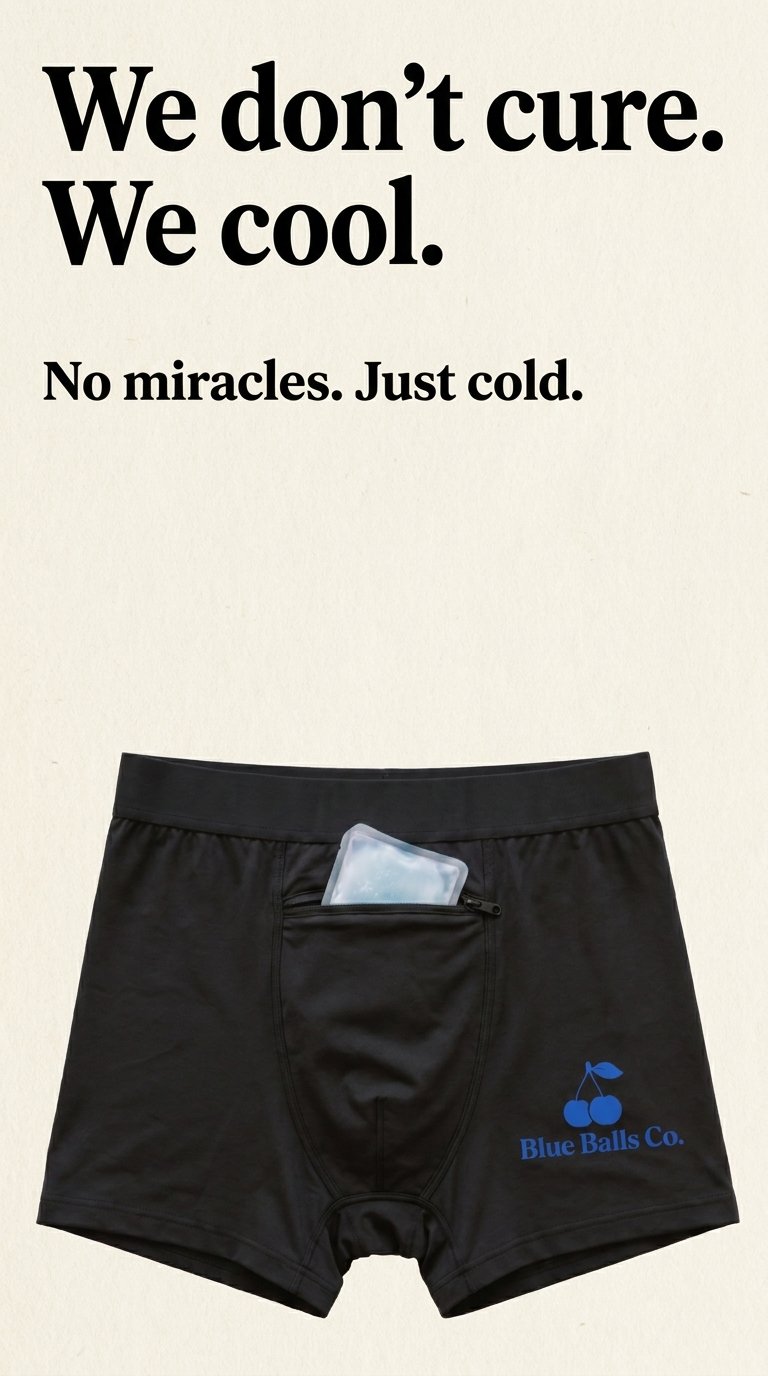
Use gel packs where you actually need local cool, with a stable fit so it does not slide onto bare skin. A fabric pocket is useful precisely because it keeps the barrier.
After sauna or training: wait until you are no longer overheated and dizzy. Cold on an exhausted body can feel harder than you expect.
Clean the pack surface per the maker’s advice. Replace packs that leak.
When to ask a clinician first
If you have reduced sensation, diabetes, Raynaud’s, circulation problems or healing wounds in the area: ask a clinician before routine gel-pack use.
Children have thinner skin and less ability to speak up in time. Be extra careful with time and temperature.
After sauna and training
Right after a hot round the skin is flushed and sensation can be altered. Wait until you have cooled before applying a gel pack so you notice warning signs in time.
If you use local cold as part of a recovery routine: keep the same time frame each time. Stretching ‘just today’ is how people forget the timer.
What this frame is not
This text is safety guidance for cold against skin. It is not medical treatment and promises no health outcomes.
If you seek care for pain, swelling or other issues: follow clinical advice over blog posts.
Check before and after use
Feel the pack before every use. Seams should be intact and the surface free from cracks, sticky areas or leaks. Check the fabric barrier too. A thin, damaged or folded layer may create uneven contact and a cold spot. Place the pack only when awake, sober and able to feel the area normally.
Afterward, skin should gradually return to its usual colour and sensation. Do not rub a numb area hard or apply intense heat immediately. Let the pack dry, clean its surface and return it to the freezer only if intact. Seek clinical advice if pain, discolouration or reduced sensation persists.
Timing begins when the cold surface rests against the fabric barrier, not when it leaves the freezer. Use a timer and inspect the skin earlier on the first attempt. Freezers, packs and fabric layers vary, so 15–20 minutes is an upper safety frame rather than a target that must be reached.
Sources
Read next
Blue Balls Co. sells textile and comfort products. Our products are not medical devices and are not intended to diagnose, treat, cure or prevent any disease or condition. We make no claims about effects on fertility. Consult a doctor with questions about reproductive health.
Back to the blog